Featured
Table of Contents
Revenue Positioning in 2026 Enterprise Cycles
The traditional wall in between sales and marketing has actually become a barrier to development in 2026. Enterprise sales cycles now frequently go beyond twelve months, including bigger buying committees and complex decision-making procedures. For businesses operating in New York or similar high-growth markets, the old model of "handing off" leads from marketing to sales creates friction that purchasers no longer tolerate. Modern development needs a unified revenue engine where data streams easily in between departments, making sure that the message a prospect sees in a search engine result matches the conversation they have with a sales executive months later on.
Lots of organizations now invest greatly in User Experience to bridge these internal spaces. Instead of measuring success by the volume of leads, top-performing companies focus on account-based engagement. This shift demands that marketing teams comprehend the specific discomfort points determined by sales during discovery calls, while sales groups should have access to the intent data collected through digital touchpoints. This level of coordination is no longer optional for companies navigating the competitive environment of regional markets.
Data Integration and RankOS in New York
Technology functions as the connective tissue in this brand-new age of B2B alignment. Platforms like RankOS have changed how business monitor their presence across numerous search engines. In 2026, presence is not almost a single list of outcomes. It involves appearing in AI-generated summaries and respond to boxes that prospective buyers use to research options long before they speak to an agent. When marketing teams utilize these tools to protect presence, they supply the sales team with a pre-educated possibility.
Businesses in New York are significantly embracing specialized platforms to handle this complexity. Modern User Experience Design has actually become necessary for modern-day services that require to preserve consistent messaging across SEO, PAY PER CLICK, and social networks. When these channels are managed in seclusion, the brand experience ends up being fragmented. A possible customer might see an advertisement for digital strategy but discover contradictory details when they carry out a deep dive into the business's technical whitepapers. Eliminating these discrepancies is the main objective of contemporary earnings operations.
AI Browse Optimization and Worldwide Reach in the region
The rise of AI Search Optimization (AEO) and Generative Engine Optimization (GEO) has actually included another layer to the sales-marketing relationship. In 2026, search engines do more than index pages-- they synthesize details to respond to complicated queries. If a business's marketing content is not enhanced for these generative engines, they disappear from the research phase of the purchaser's journey. This is particularly real for companies in domestic markets that contend on an international scale. Sales teams count on marketing to ensure the brand stays noticeable in these AI-driven environments.
Companies increasingly rely on Digital Trust in AI Systems to stay competitive as these technologies evolve. Method now concentrates on intent and context rather than simply keywords. For example, a buyer may ask an AI assistant to "discover the very best provider for specialized enterprise solutions in New York." If the marketing team has not structured their information and content to be absorbable by AI, the sales team will never get the chance to bid on that agreement. This technical alignment needs a deep understanding of both human habits and artificial intelligence algorithms.
Steve Morris on Next-Gen Development Methods
Steve Morris, a regular contributor to major publications concerning digital strategy, has actually kept in mind that the most successful companies in 2026 treat their digital existence as a main sales asset. Marketing is not simply an assistance function but a proactive participant in the sales process. This point of view is shown in the operations of significant digital companies throughout cities like Denver, Chicago, Nashville, Dallas, Atlanta, LA, Miami, and NYC. By integrating SEO, website design, and AI search optimization, these firms help customers develop a foundation that supports long-term profits objectives.
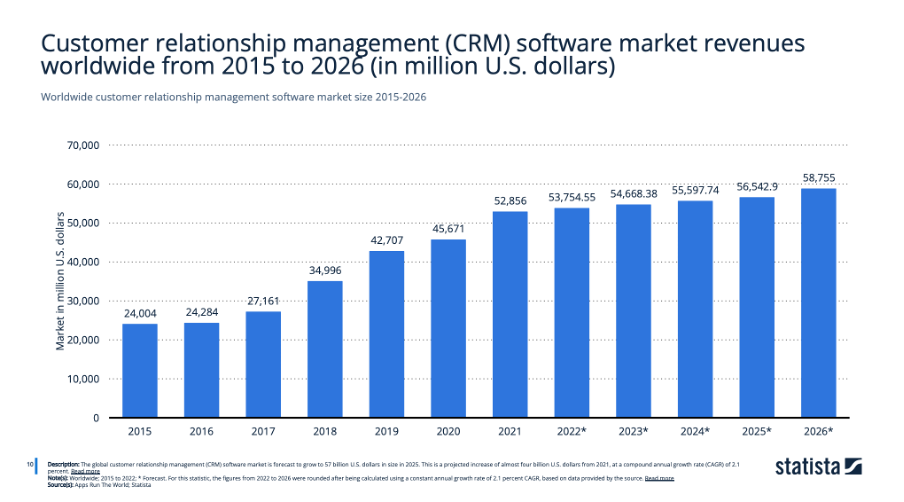
Morris highlights that the gap in between departments typically comes from misaligned incentives. Marketing is typically rewarded for traffic, while sales is rewarded for revenue. In 2026, the industry is approaching "revenue-first" metrics. This indicates evaluating the success of a project based upon its contribution to the final sale, even if that sale happens in a various calendar year. This approach is acquiring traction in high-density business districts where the expense of acquisition is high and the value of a single contract is significant.
Structural Shifts in Modern B2B Organizations
Closing the space needs more than simply new software application-- it needs a structural modification in how groups are organized. Some organizations are moving far from traditional VP of Sales and VP of Marketing roles in favor of a Chief Revenue Officer who manages both functions. This guarantees that every team member is working toward the exact same objective. In 2026, this design has shown effective for managing the complexities of ecommerce and large-scale PPC projects where every dollar invested must be represented in the final earnings margins.
- Unified data tracking across all digital touchpoints
- Shared duty for consumer lifecycle management
- Routine feedback loops in between sales advancement representatives and content creators
- Integrated technology stacks that prevent information silos
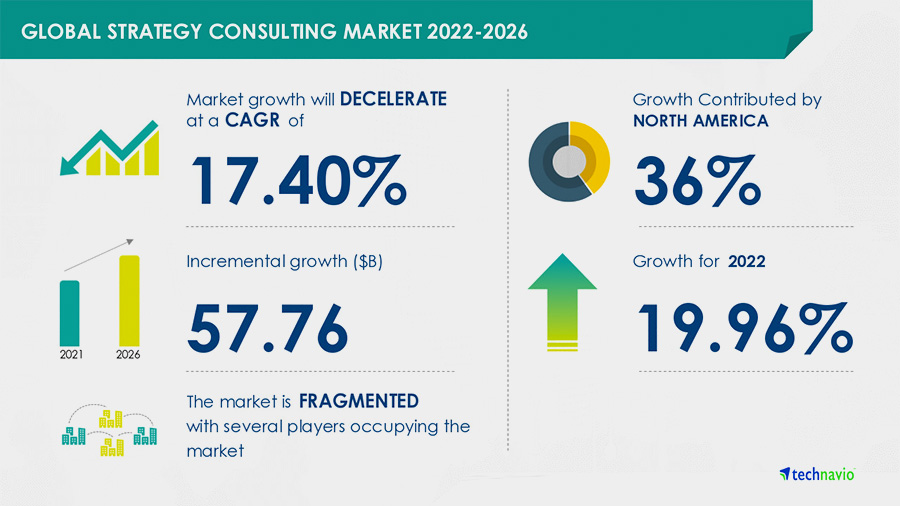
The focus has shifted from high-volume outreach to high-precision engagement. This is especially evident in New York, where business neighborhood favors direct, data-backed interactions over generic marketing products. By using AI to analyze which material pieces actually cause closed offers, marketing teams can refine their method to produce more of what works, while sales groups can use that same material to support leads through the last stages of the funnel. This collaborative environment is the trademark of successful B2B growth in 2026.
Attaining this level of alignment requires a commitment to openness. Groups need to want to share their successes and their failures. When a marketing project stops working to produce top quality leads in the local area, the sales team need to provide particular feedback on why the potential customers were a bad fit. On the other hand, when sales loses an offer to a competitor, marketing requires to know if a lack of digital exposure or social evidence played a part. This constant exchange of info develops a resistant organization capable of adjusting to any market shift.

Latest Posts
Maximizing the ROI of Your Marketing Budget ROI
Major PPC Mistakes to Avoid in 2025
Evaluating the Strategic Impact of Integrated Media Planning